Booking choice: The small-group Classico half day, from $170 per person. Check dates Tour details
Gran Selezione sits at the top of the Chianti Classico pyramid, above the annata and the Riserva. It was created in 2014, and in July 2023 the producers voted to tighten it.
Two changes matter to a visitor. From the 2027 vintage the wine has to be at least 90% Sangiovese, with only native grapes in the rest. And Gran Selezione labels can name one of eleven villages, the UGAs. Here is what that means if you are tasting in Greve or Panzano this winter.
The quick answer
From the 2027 harvest, Chianti Classico Gran Selezione must be at least 90% Sangiovese, and the other 10% can only come from eight native grapes such as Canaiolo and Colorino: no Cabernet, no Merlot. Those wines cannot be sold before 1 July 2030. Eight village names (UGAs) can already appear on Gran Selezione labels, and Lamole, Montefioralle and Vagliagli join them from 2027.
What changes for Chianti Classico Gran Selezione from the 2027 vintage?
The minimum Sangiovese rises from 80% to 90%, and the remaining share is limited to eight native red grapes. Ageing, alcohol and the estate-grown rule stay as they are.
The rules are summarised by Italian Wine Central: approved in July 2023, effective with the 2027 vintage. Up to 10% may come from Canaiolo, Ciliegiolo, Colorino, Foglia Tonda, Malvasia Nera, Mammolo, Pugnitello and Sanforte. International grapes such as Cabernet Sauvignon and Merlot, which many estates used to round out their top wine, are out.
Nothing else gets easier. Gran Selezione still comes only from the winery's own vineyards, needs 13% alcohol, and ages at least 30 months, three of them in bottle. Wineries may follow the new recipe before 2027, and several already do. The annata and the Riserva keep the old 80% minimum.
| Rule | Until the 2026 vintage | From the 2027 vintage |
|---|---|---|
| Sangiovese | At least 80% | At least 90% |
| Other grapes | Any authorised red, incl. Cabernet and Merlot | Only 8 native varieties, max 10% |
| Grapes from | Estate vineyards only | Estate vineyards only |
| Minimum ageing | 30 months, 3 in bottle | 30 months, 3 in bottle |
| Minimum alcohol | 13% | 13% |
| Earliest release | 1 July, 3 years after harvest | 1 July 2030 for the 2027 vintage |
When will the first 2027-vintage Gran Selezione bottles be on sale?
Not before 1 July 2030. On a visit in 2026-27 you will taste Gran Selezione from the 2021 to 2023 harvests, made under the old rules.
Gran Selezione cannot leave the winery before 1 July of the third year after harvest. The 2023 wines became legal on 1 July 2026, which makes them the newest you can buy this winter. Grapes picked in September 2027 will turn into wine that reaches shops and tasting rooms in summer 2030 at the earliest, and most estates hold theirs longer.
In practice the change is already visible. At the 2026 Chianti Classico Collection in Florence, 223 wineries showed 680 wines, 185 of them Gran Selezione. Plenty of estates already make theirs from Sangiovese alone. The rule mostly forces the last blends with Merlot or Cabernet to change their recipe or drop the Gran Selezione name.
What are the UGAs, and which village names can appear on the label?
UGAs are eleven official sub-areas of Chianti Classico. Eight can be named on Gran Selezione labels now; Lamole, Montefioralle and Vagliagli become usable from 2027.
The consortium's UGA page lists eleven units: San Casciano, Greve, Montefioralle, Lamole, Panzano, Radda, Gaiole, Castelnuovo Berardenga, Vagliagli, Castellina and San Donato in Poggio. The name is optional, and a Gran Selezione that names a UGA may contain up to 15% wine from another one. Only Gran Selezione can use them: an annata or a Riserva cannot print "Panzano" as a UGA.
The first UGA labels reached the market from the 2019 and 2020 vintages. A good example sits on the menu of a tour you can book: Antinori's Bottaia Tour (EUR 70) pours its Badia a Passignano Gran Selezione, now labelled San Donato in Poggio. From 2027, Lamole, Montefioralle and Vagliagli become usable as well, and Italian Wine Central notes this also covers earlier vintages that meet the new criteria.
| UGA | Where it is | On labels |
|---|---|---|
| San Casciano | Commune of San Casciano in Val di Pesa | Now |
| Greve | Northern and eastern Greve in Chianti | Now |
| Panzano | South-west corner of Greve's commune | Now |
| Castellina | Commune of Castellina in Chianti | Now |
| Radda | Commune of Radda in Chianti | Now |
| Gaiole | Commune of Gaiole in Chianti | Now |
| Castelnuovo Berardenga | Northern part of that commune | Now |
| San Donato in Poggio | Western Barberino Tavarnelle, tip of Poggibonsi | Now |
| Lamole | High corner of Greve east of Panzano | From 2027 |
| Montefioralle | Small area of Greve north of Panzano | From 2027 |
| Vagliagli | North-west of Castelnuovo Berardenga | From 2027 |
How do you spot a Gran Selezione at a Chianti tasting?
Look for the black rooster seal on the neck and the words Gran Selezione on the front label. Budget tours rarely pour one; small-group and winery tastings often do.
The rooster seal tells you it is Chianti Classico at all, as opposed to plain Chianti from a wider zone (our Chianti vs Chianti Classico guide explains the difference). The category is printed on the label: Chianti Classico, Riserva or Gran Selezione. If a village name follows, that is the UGA.
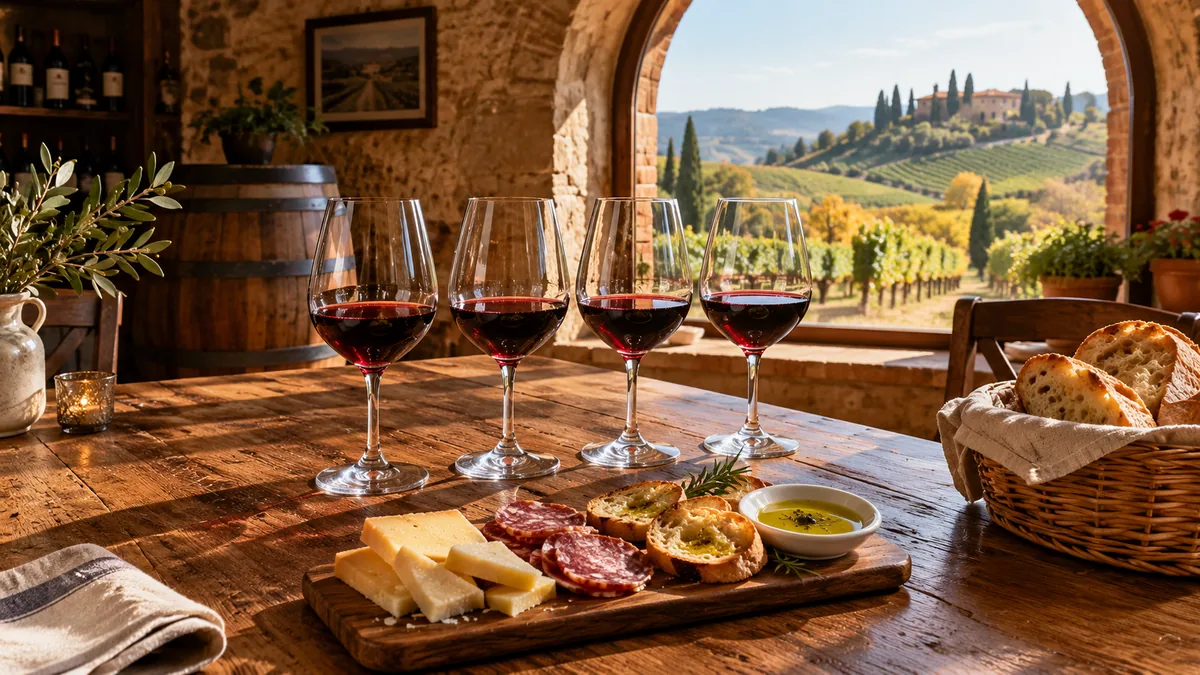
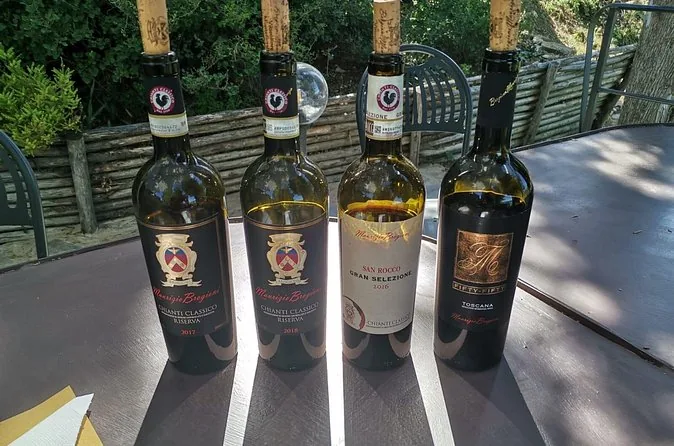
On a cheap coach tour expect the annata and maybe a Riserva. The top wine costs the winery too much to pour for 40 people. The small-group Classico half day visits two estates and pours around seven wines, which gives you a better chance. The Greve winery tasting at the Brogioni family estate shows its San Rocco Gran Selezione next to two Riservas in the listing photos. Ask before you book if one particular wine matters to you.
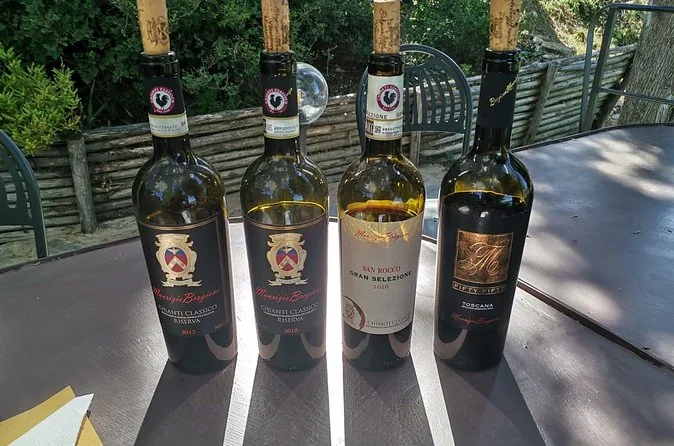

Two Chianti Classico estates in a minivan of eight at most, with up to seven wines and olive oil.
Explore the small-group Classico half day Tour detailsShould you buy Gran Selezione now or wait for the new rules?
Buy now. Today's Gran Selezione is already mostly Sangiovese, and the first bottles under the 2027 rule are four years away.
If you want the new style, read the back label or ask at the cellar door: many current bottles are 100% Sangiovese already. If you like a rounder wine with a dash of Merlot, the old-rule vintages are the last of their kind, which is a reason to buy them.
Expect to pay far more than for an annata. Badia a Passignano Gran Selezione 2021 lists at around EUR 49 to 53 at European retailers; small estates sell theirs at the cellar for less. Many wineries ship abroad, which saves your luggage allowance. And taste first: tours exist for exactly that, see what a tasting costs.
Two Classico estates, up to seven wines, eight guests at most. The best odds of a Gran Selezione in the glass.
Check dates for the small-group Classico half dayFrequently asked questions
What is the difference between Chianti Classico Riserva and Gran Selezione?
Riserva ages at least 24 months and may use bought-in grapes. Gran Selezione ages at least 30 months, needs 13% alcohol and comes only from the estate's own vineyards. From the 2027 vintage it also needs 90% Sangiovese.
Can Gran Selezione still contain Merlot or Cabernet?
Yes, up to and including the 2026 vintage, within the 20% that is not Sangiovese. From the 2027 vintage only native grapes such as Canaiolo, Colorino or Pugnitello are allowed, up to 10%.
What does UGA mean on a Chianti Classico label?
Unità Geografica Aggiuntiva, an official village sub-area such as Panzano, Radda or Gaiole. Only Gran Selezione may print it, and it is optional.
When can I buy the first 2027 Gran Selezione?
From 1 July 2030 at the earliest, as Gran Selezione cannot be released before 1 July of the third year after harvest.
Ready to book
Choose your tour
Free cancellation up to 24 hours before on every option. Prices are from-prices in USD and move with the season.
Small-Group Chianti Classico Half Day
Two Classico estates, up to 7 wines, 8 people at most
Greve in Chianti Winery Tour & Tasting
Already in Chianti? A winery tour and tasting on your own wheels
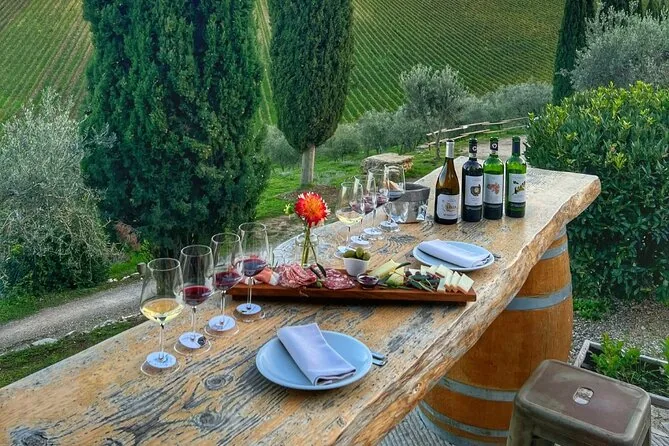
Semi-Private Chianti & San Gimignano Day
- Winery visit with wine and olive oil tasting
- Lunch with wine at the estate
- Hotel pickup in Florence's central zone